Why DIY Carpet Cleaners Fall Short During Hot Colorado Summers

Thinking about renting a carpet cleaner this summer? Learn why DIY carpet cleaning often falls short and how professional carpet cleaning in Englewood delivers deeper, longer-lasting results.
Pet Odors & Summer Heat: Why They Get Worse (and How to Actually Get Rid of Them)
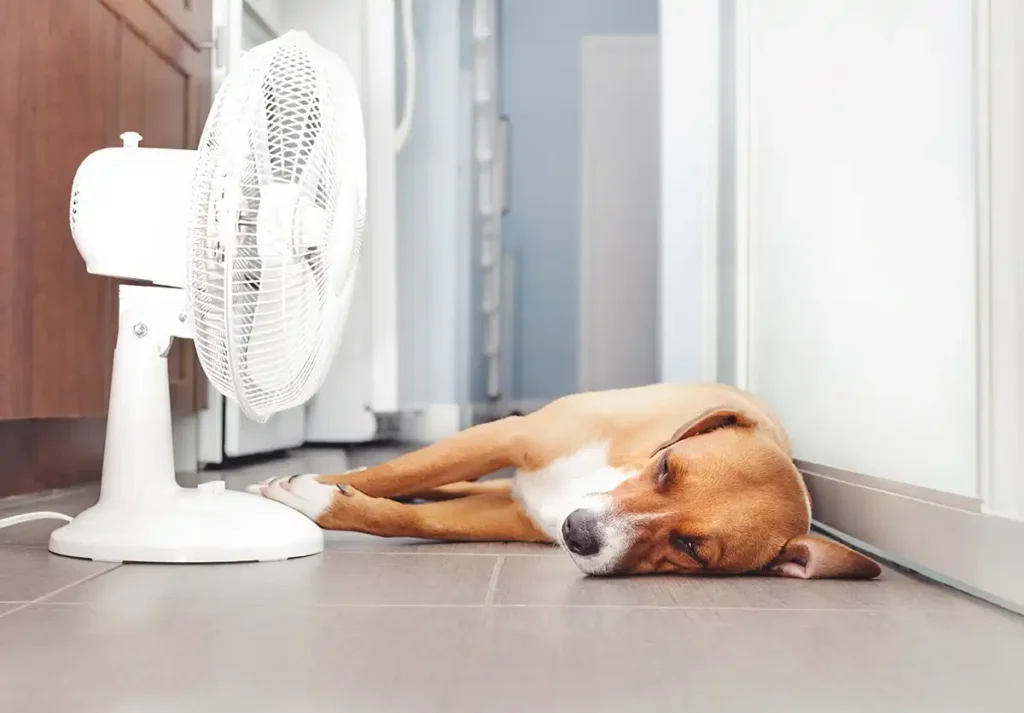
Pet odors often become stronger during Colorado summers. Learn why heat makes smells more noticeable and how professional pet odor carpet cleaning in Littleton removes odors at the source.
Getting Your Home Show-Ready for Summer Buyers: Carpet, Rug, and Upholstery Cleaning Checklist

Getting your home ready to sell this summer? Use this carpet, rug, and upholstery cleaning checklist to help rooms feel fresh, photograph beautifully, and make a great first impression.
How Small Carpet Repairs Prevent Big Winter Damage
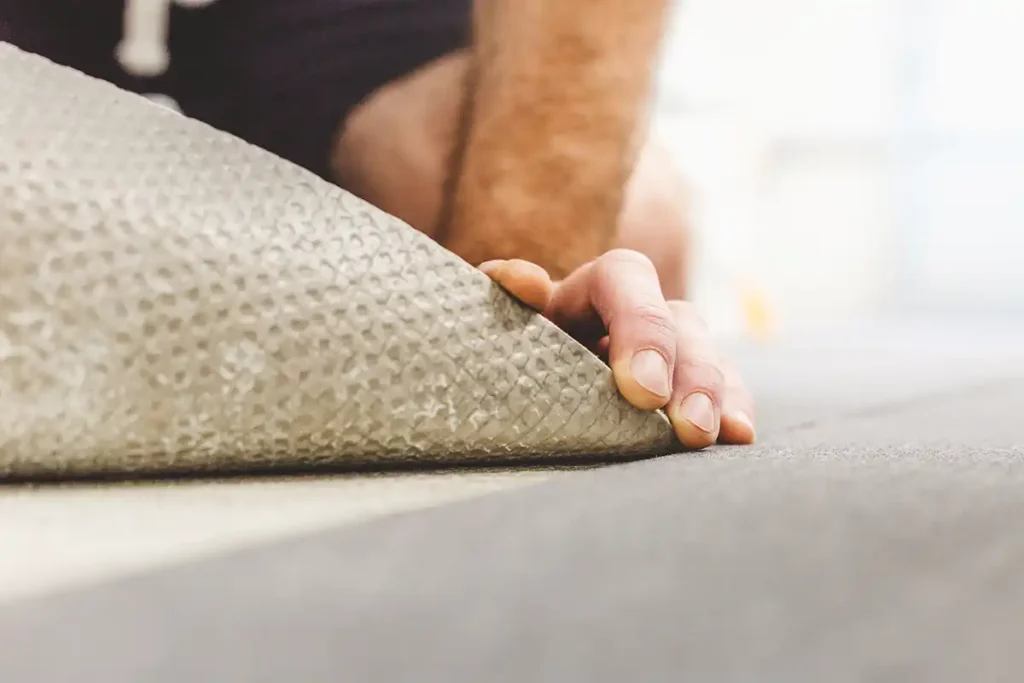
Small carpet issues can turn into major damage after winter. Learn how carpet repair, carpet stretching, and carpet seam repair help protect your home before selling.
Why Carpet Re-Stretching Before Selling Can Save You Thousands
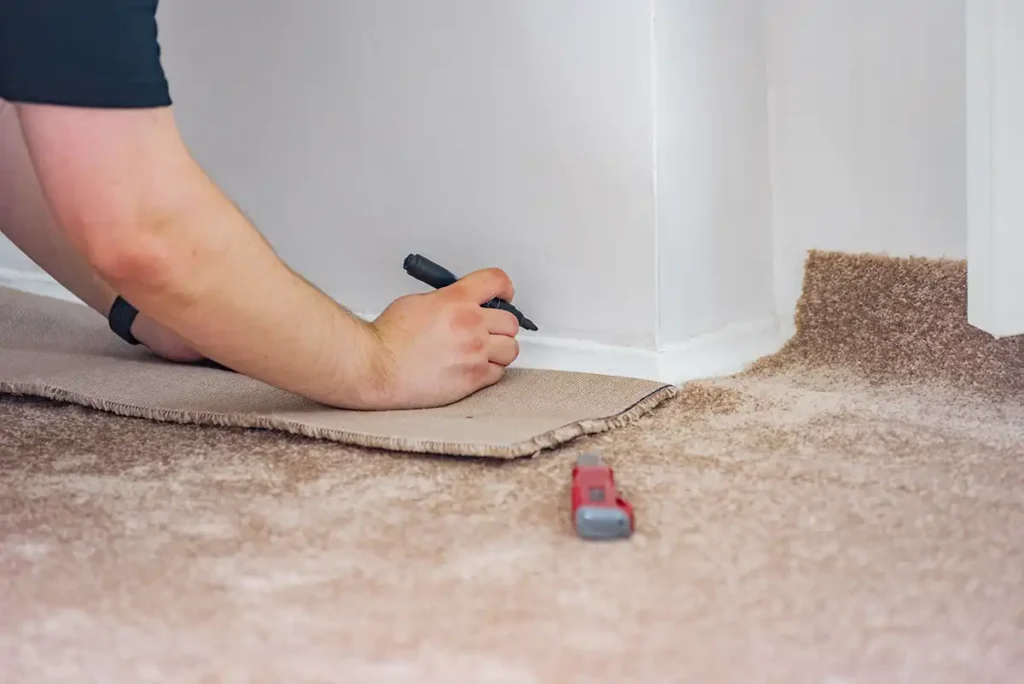
Loose or rippled carpet can turn buyers away and lead to costly assumptions. Learn how carpet stretching in Parker and carpet repair in Littleton can improve your home’s appearance before selling.
Spring Carpet Cleaning for Home Sellers: How Snowmelt Can Hurt Your Listing Photos

Selling this spring? Even a dry Colorado winter can leave carpets dull and worn. Learn how snowmelt carpet damage and hidden dust affect listing photos and why spring carpet cleaning in Englewood can improve buyer impressions.
Upholstery Cleaning in Winter: Why Your Furniture Gets Dirtier Than You Think
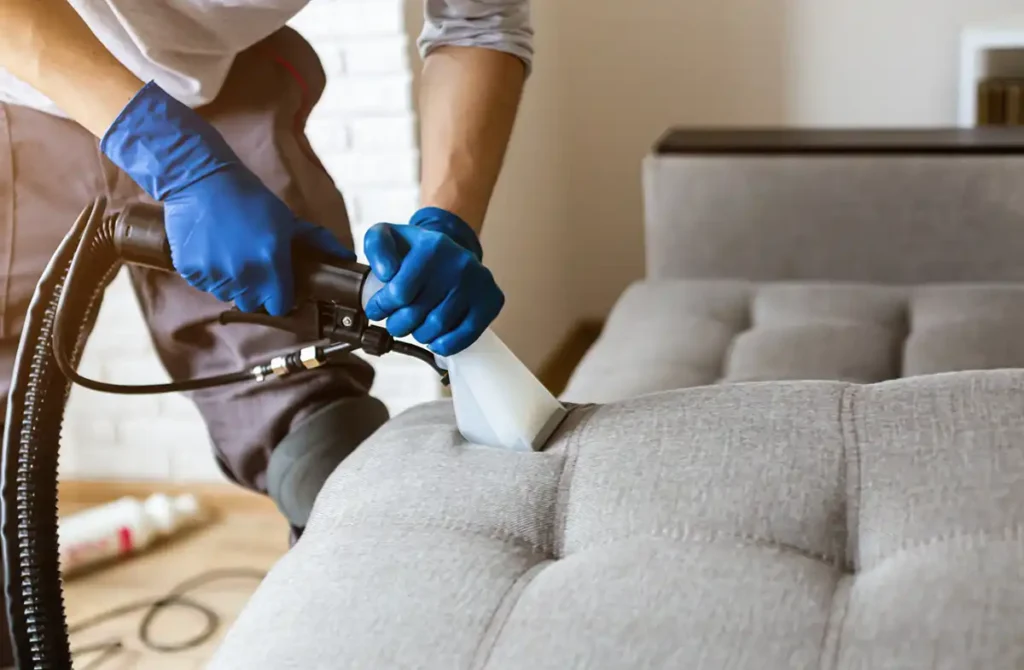
Winter conditions cause dirt and allergens to build up in upholstered furniture faster than expected. Learn why professional upholstery cleaning is especially important during the colder months.
Four Methods for Cleaning Tile and Grout

Everyone loves clean tile, whether it’s the kitchen backsplash, bathroom floor, or shower wall. But dirt and grime build up over time, and “hard water” adds another layer of crud. Keeping your tile sparkling requires consistent cleaning of the tile and the grout surrounding it. The following tile-cleaning solutions from A Personal Touch Carpet Cleaning, the foremost cleaning company serving Littleton, CO, are guaranteed to make your tile shine. Option 1: Use a steam cleaner All you need to accomplish this effective, eco-friendly option is a steam cleaner. After heating the cleaner to 350 degrees, turn it on and move its detail brush in a forward motion over the tile and grout. Go side to side, working from front to back in a continuous motion. The combination of heat and pressure does an outstanding job of loosening and destroying grime. When you’re finished, use a rag to clean up any leftover residue. Caveat: steam-cleaning old or broken tile can cause further damage, so use one of the following options instead. Option 2: The bleach + baking soda combo Since this option involves bleach, be sure to dress appropriately (old clothes), wear rubber gloves and safety glasses, and open a window. When you’re ready, mix a ¼-cup of bleach with ¾-cups of baking soda. Use a painter’s stick to stir the mixture until it has a paste-like consistency. Spread the mixture over your tile and grout, then wait 5 – 10 minutes depending on how dirty the tile is. After waiting, take a toothbrush or scrub brush and rub the mixture into the grout and over the tiles. Pause 5 – 10 minutes more and rinse. Warning: Bleach’s presence means this option only applies to white tile/grout. Don’t try this on anything colored. Option 3: Vinegar or baking soda: take your pick This is a particularly effective solution for light-duty tile and grout cleaning, and it can be used on tiles of any color. If you use vinegar, mix equal parts vinegar and water, pour it into a spray bottle, and apply to the tiles and grout. When the solution stops bubbling, scrub the tile and rinse. If you choose baking soda, take ¾-cups of baking soda and mix it with a little water in order to form a paste similar to option #2, and follow the same application steps. For hard-to-remove dirt and gunk, apply the baking soda paste and then spray the vinegar solution on top of it. Option 4: Oxygen bleach + water Just like option #2, this method is only applicable for white tile/grout. Mix a cup of oxygen bleach with warm water (see the bleach’s packaging to confirm the exact amount, since it varies by brand/strength required). For 30 minutes, pour the solution over the tile, pausing every minute or so to let it seep in. When you’re done pouring, take a stiff brush and start scrubbing, adding more solution if necessary. When finished, rinse the surface with clean water. Oxygen bleach is also handy when you’re mopping – just add some to the water in your mop bucket for a consistent shine. For more tips on tile and grout cleaning or to make a service appointment, contact the specialists at A Personal Touch Carpet Cleaning today. Call us at 720-344-2870 or use our online contact form to request your free estimate. Remember at A Personal Touch, “We don’t cut corners, we clean them.”
How To Maintain Your Upholstery After It’s Cleaned

Maintaining your upholstery after it is cleaned is a simple, quick project that keeps your furniture looking great. At A Personal Touch Carpet Cleaning, our professional carpet cleaners serving Denver have some thoughts on the best approach. Pick the Right Fabric Picking the right fabric for the right piece of furniture makes it easy to maintain your upholstery, and can actually help extend the piece’s lifetime. For example, upholstered furniture that sees heavy usage derives far more benefit from synthetic fibers than, say, vinyl. Also, if you have pets, you’ll want to pick fabrics that don’t have loose weaves or too much texture. Protect Your Fabric Before it ships from the manufacturer, upholstery fabric is usually treated with water and soil repellents, and an anti-mildew coating is applied. You can purchase additional fabric protectors from a store, but the best form of fabric protection is in fact prompt attention to spills. Even though the upholstery protectants will delay spills from being absorbed into the fabric right away, an immediate cleaning of the soiled area is essential. Spills should be blotted immediately and gently with a clean folded towel. If the upholstery fabric was pre-treated with a fabric protector blotting might be enough to completely remove the spill. Before you blot, check the manufacturer’s instructions to see if you need a water-based or solvent-based cleaner. Also, it’s a good idea to test the cleaning solution on an inconspicuous area before you apply it to the upholstery. In most cases, the best choice is to use a mild cleaning product applied with a soft brush. Move the brush in a circular motion to work the solvent into the fibers, and then vacuum the spill area when it’s dry. If you’re unsure how a certain fabric should be cleaned, follow the manufacturer’s care instructions or contact our local carpet cleaners in Littleton. Turn the Cushions Periodically turning over your furniture’s loose cushions is a simple way to extend your upholstered furniture’s life. Akin to a tire rotation for a car, turning the cushions promotes an even distribution of wear and tear, and helps keep your cushions from developing indentations. And while you’re turning the cushions, give them a good fluffing to help maintain their shape. Also, swap the position of your cushions so the cushion in a popular sitting place doesn’t get overused. Vacuum Another easy way to maintain your upholstery is by committing to a weekly vacuuming. This is an effective way to keep your furniture free of dust and pet hair, while also removing surface soil and preventing dirt from embedding in the fibers. Another option is to use a brush to whisk the dirt away. If you go this route, make sure you use a soft bristled brush so you don’t damage the upholstery. Trust Our Experts Along with frequent upholstery maintenance, it’s a good idea to contact our nearby carpet repair company for a professional upholstery cleaning every year or two. Don’t wait for your furniture to show visible signs of dirt and wear. The dirtier a sofa or chair gets, the harder it is to clean. Call us today at (720) 344-2870 for your free quote and consultation. Remember at A Personal Touch, “We don’t cut corners, we clean them.”
Banish mold and mildew with regular tile and grout cleaning

Is your bathroom or kitchen a science experiment? When you take a bath or shower can you see blooms of orange around your shower pan or constellations of dark, fuzzy spots on the ceiling? Has your kitchen or another room in your home started to smell musty? Visible signs and tangible smells are good indicators that you have a mold or mildew issue in your home. What’s the difference between mold and mildew? The terms “mold” and “mildew” are often linked together much like “love” and “marriage” (and “horse” and “carriage”). But, which one is which? According to the Environmental Protection Association (EPA), “Mildew refers to certain kinds of mold or fungus. The term mildew is often used generically to refer to mold growth, usually with a flat growth habit. Molds include all species of microscopic fungi that grow in the form of multicellular filaments, called hyphae. Molds can thrive on any organic matter, including clothing, leather, paper, and the ceilings, walls and floors of homes with moisture management problems. Mildew often lives on shower walls, windowsills, and other places where moisture levels are high. There are many species of molds. In unaired places, such as basements, they can produce a strong musty odor.” No matter what kind of mold or mildew you have, the results can be unsightly. Mold and mildew can also cause health problems in at-risk individuals such as people with asthma. Disappointed with at-home grout cleaning? So, yes, the dirty little secret is out. Many of us have showers that don’t get properly ventilated and kitchen backsplashes that need lots of help. What to do? It’s hard to invite someone into your home to witness that mess, right? You may have tried to fix it yourself. Who hasn’t scoured the internet for ways to eliminate mold from drywall, tile or grout? You may have tried bleach to eliminate mold. Perhaps you’ve mixed vinegar and soda or employed borax with great hope? The problem is, scrubbing your shower with an old toothbrush can be gross. It also doesn’t work all that well or the results don’t last. It can be difficult to ask for help. Rest-assured that we’ve seen it all at A Personal Touch. We can clean your tile and grout in Denver with our proven process for a great price. Want to beautify and safeguard your home? The best way to keep your bathrooms and kitchen areas looking and smelling their best is with regular tile maintenance. A Personal Touch can help remove set-in stains, persistent odors, grime, scum and mildew. We also restore marble and granite countertops. We recommend professional tile and grout cleaning once or twice per year depending on where your tile is located. Book a consultation with A Personal Touch today at 720-344-2870. We are happy to discuss your questions about tile or grout cleaning. Rather reach out online? Fill out our contact form for a free quote today. Source Basic Facts about Mold and Dampness | CDC